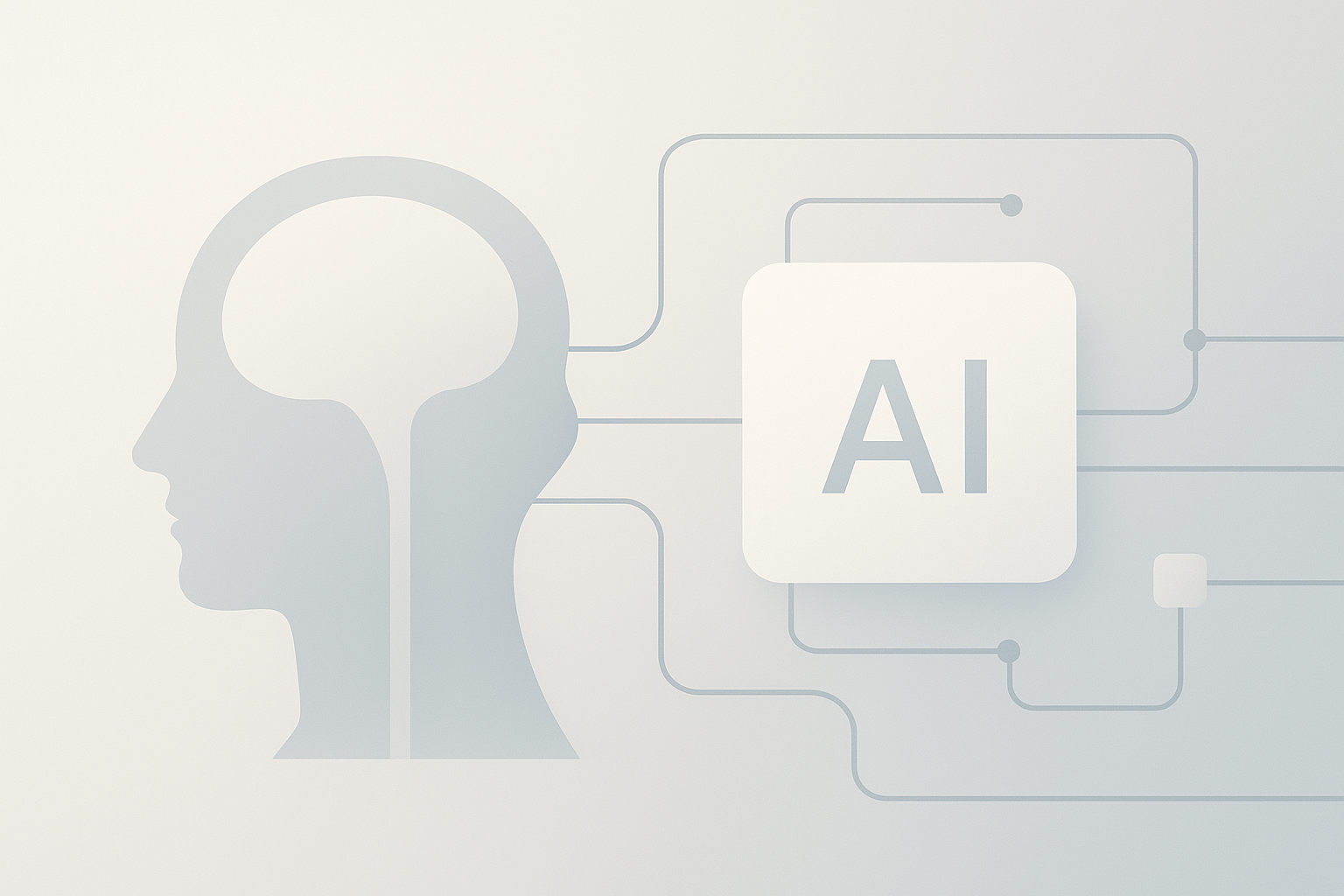
Introduction: The Human-AI Partnership
In today’s swiftly evolving business landscape, the synergy between artificial intelligence and human cognition is becoming increasingly crucial. Rather than viewing AI as a replacement for human intuition and decision-making, small and medium-sized enterprises (SMEs) can leverage it as a powerful collaborative partner. This partnership enhances decision-making processes, augments human capabilities, and fosters innovation.
AI can process vast amounts of data at speeds unattainable by humans, pinpointing patterns and insights that might otherwise go unnoticed. However, it is still the human mind that translates these insights into strategic actions. Embracing this supportive role of AI allows businesses to make informed, confident decisions without forfeiting their unique human touch.
For SMEs striving to remain competitive, integrating AI in a manner that complements human strengths can lead to more thoughtful, strategic, and innovative approaches to achieving business objectives. Moving forward, it's essential to explore how AI can uplift human roles rather than overshadow them, fostering a future of collaborative potential.
Harnessing AI for Enhanced Business Intelligence
AI proves to be an invaluable ally in the realm of data analysis, offering SMEs the means to transition from manual data handling to automated processing systems. This shift frees up human resources to focus on the strategic interpretation and actioning of data insights. By employing AI, businesses can effectively manage extensive datasets, conduct complex analyses faster, and uncover trends that might have been overlooked through manual methods.
AI-driven trend prediction is another potent way AI supports businesses, aiding SMEs in staying ahead of market shifts. By leveraging machine learning algorithms and predictive analytics, SMEs can forecast trends with greater accuracy. This capability allows companies to make proactive decisions about inventory management, marketing strategies, and even product development, mitigating risks and seizing opportunities swiftly.
Operational efficiency receives a significant boost through AI deployment as well. Routine tasks—such as scheduling, customer service inquiries, and supply chain operations—can be streamlined, promoting smoother day-to-day functioning. Automation of these processes not only reduces operational costs but also minimizes human error, thereby enhancing overall productivity. By allowing AI to assume the role of handling repetitive and time-consuming tasks, SMEs can redistribute human effort towards more nuanced responsibilities that require critical thinking and creativity.
Ultimately, the strategic integration of AI into business operations enables SMEs to leverage their human talent to its fullest potential, driving innovation and maintaining a competitive edge. The key lies in viewing AI as a supportive partner that enhances human decision-making capabilities, rather than as a replacement. This approach underpins a more sustainable and adaptive business model, paving the way for a future where AI and human ingenuity work in concert to achieve success.
Identifying Opportunities for Strategic AI Integration
For small and medium-sized enterprises (SMEs) aiming to make the most out of artificial intelligence, the first step lies in recognizing where AI can add value without disrupting essential human oversight. Identifying the right areas for AI support requires a balanced approach—addressing repetitive tasks while still valuing the strategic insights humans bring to the table.
The Routine vs. The Strategic
SMEs should begin by categorizing their operations into routine and strategic tasks. Routine tasks, which are often time-consuming and rule-based, such as data entry, report generation, or customer inquiries, present ideal opportunities for AI-driven automation. Deploying AI in these areas can significantly reduce the burden on your team, increase efficiency, and free up human resources to focus on more strategic initiatives.
Conversely, tasks that involve strategic planning, nuanced decision-making, or creative thinking should remain under human control. For instance, interpreting data analytics insights or crafting business strategies based on AI-powered forecasts are areas where human intellect and creativity drive value. Here, AI acts as a kind of "advisor"—providing data-backed insights that assist human decision-makers without overshadowing their judgment.
Identifying Process Bottlenecks
To effectively integrate AI, it's crucial for SMEs to identify bottlenecks within their current processes. AI can alleviate pain points in operations such as supply chain management, inventory control, and customer service by streamlining workflows and enhancing accuracy. Start by mapping out existing processes and assess where delays or inefficiencies occur most frequently. These are typically areas ripe for AI intervention.
Moreover, SME leaders should engage their teams in the process of identifying these areas. Employees familiar with day-to-day operations often have insights into where AI deployment could yield significant improvements. Encouraging dialogue across departments not only promotes a culture of collaboration but also ensures that AI solutions align closely with actual business needs.
By carefully selecting tasks and processes for AI integration and maintaining a focus on human oversight in strategic areas, SMEs can enhance their operations, improve productivity, and drive innovation. This approach supports the premise that AI works best not as a replacement for human capabilities, but as their enabler, reinforcing the overall business strategy.
Real-World Success Stories: AI Enhancing Human Roles
To truly understand the empowering potential of AI in small and medium-sized enterprises (SMEs), let's delve into real-world examples where AI has been harnessed to elevate rather than replace human roles. These case studies illustrate the transformative impact AI can have when strategically integrated into business processes, underscoring its role as an enabler of human potential.
Optimizing Customer Experience at a Retail SME
A mid-sized retail company faced challenges with customer service efficiency and responsiveness. By adopting AI-driven chatbots, they were able to automate responses to frequently asked questions, thus significantly reducing customer wait times. The AI system was trained to recognize complex queries needing human intervention, which were seamlessly routed to customer service representatives. This integration not only improved the overall customer experience but also allowed the human staff to focus on more personalized, high-level customer interactions. As a result, customer satisfaction and loyalty saw noticeable improvements, along with a 30% increase in productivity among service staff.
Enhancing Precision in Manufacturing Operations
A small-scale manufacturing firm leveraged AI for predictive maintenance. By analyzing data from equipment sensors, AI systems could predict when machines were likely to develop faults and alert technicians before issues escalated. This proactive approach minimized downtime and extended machinery life, markedly improving operational efficiency. Importantly, the firm’s technicians were empowered to focus on maintenance strategies rather than routine checks, sharpening their problem-solving skills and fostering continuous improvement within the team.
Streamlining Supply Chain Management in a Food Distribution Business
A family-run food distribution company faced significant challenges in managing its supply chain, particularly in forecasting demand to reduce waste and meet customer needs effectively. By integrating AI algorithms that analyze purchasing trends and external factors like weather patterns, the business achieved greater forecast accuracy. Human managers used these AI-generated insights to refine their logistical strategies, resulting in a 20% decrease in food waste and a corresponding improvement in profit margins. The collaborative effort between AI tools and human oversight brought greater agility to the supply chain and enhanced the business's reputation for reliability.
These examples illustrate how SMEs can innovate by embedding AI into their operations while accentuating human expertise. By promoting AI as a tool for enhancement, SMEs not only preserve but also amplify human capabilities, fostering sustainable growth and competitive advantage without compromising the invaluable human touch.
Implementing AI: A Step-by-Step Guide for SMEs
Integrating AI into your business operations doesn't have to be an overwhelming endeavor. By approaching implementation methodically, small and medium-sized enterprises (SMEs) can unlock the potential of AI tools to complement and enhance human tasks. Here's a practical guide to help you get started.
Step 1: Assess Your Business Needs
Begin by conducting a comprehensive assessment of your business processes to identify areas where AI can add the most value. Consider aspects such as routine task automation, enhanced data analysis, and customer service improvements. Gather input from various departments to ensure a broad understanding of the existing challenges and opportunities. This assessment will pinpoint where AI can effectively support your team and align with your strategic goals.
Step 2: Select the Right AI Tools
Once you've identified areas for AI integration, the next step is selecting the appropriate tools. Evaluate AI solutions based on your specific business needs, budget, and the technical expertise available within your organization. It's crucial to choose scalable and user-friendly tools that facilitate seamless integration with your current systems. Consider consulting with AI experts or partners to help you identify tools that are both effective and easy to adopt without extensive training.
Step 3: Ensure Data Readiness
AI thrives on data—ensure your data management practices are robust and your datasets are clean, accurate, and accessible. Assess your current data infrastructure to ensure it can support AI applications. Implement data governance policies to streamline data collection, storage, and processing activities, enabling AI tools to generate meaningful insights that will aid decision-making.
Step 4: Pilot and Test
Before a full-scale rollout, start with a pilot project in a single department or process. This allows you to test the AI tool's effectiveness and make necessary adjustments without disrupting the entire operation. During the pilot, monitor performance metrics and gather feedback from employees to refine the implementation process and maximize AI benefits.
Step 5: Train and Empower Your Team
Training your team to work alongside AI tools is vital for successful integration. Provide training on how to interface with AI systems effectively, emphasizing how these tools can ease their workload and empower them to focus on more strategic tasks. Encourage an environment of continuous learning, where employees feel comfortable exploring AI tools and innovating with their use.
Step 6: Monitor, Evaluate, and Iterate
Finally, continuously monitor the performance of AI applications to ensure they meet your business objectives. Establish key performance indicators (KPIs) to measure success and identify areas for further improvement. Feedback loops and regular evaluations will help you refine the AI integration over time, ensuring your systems remain aligned with evolving business needs.
By following these steps, SMEs can systematically incorporate AI tools, enhancing their operations without overshadowing human roles. Embracing this approach allows businesses to optimize efficiency, cultivate creativity, and maintain a competitive edge in today’s increasingly data-driven market landscape.
Conclusion: Fostering Innovation through Human-AI Collaboration
Creating a synergistic relationship between human insight and artificial intelligence (AI) represents the future for small and medium-sized enterprises (SMEs) aiming to thrive in an increasingly competitive market. By balancing AI's capabilities in data processing, trend prediction, and operational automation with human expertise in creativity, strategic thinking, and problem-solving, businesses can unlock substantial opportunities for innovation and growth.
The benefits of this harmonious integration are manifold. AI enhances efficiency by taking over repetitive, time-intensive tasks, which subsequently allows human resources to focus on areas that benefit most from human intelligence. This thoughtful distribution of labor fosters a work environment where strategic and creative efforts are prioritized, potentially leading to groundbreaking ideas and strategies.
Furthermore, combining AI's analytical prowess with human intuition results in more informed decision-making processes. AI tools offer data-driven insights that, when interpreted through the lens of human experience and judgment, can lead to more accurate and effective business decisions. These enhancements contribute to an enterprise's ability to adapt quickly to market changes, thus maintaining a competitive edge.
By nurturing a culture that values the collaborative potential of AI, SMEs not only enhance operational efficiency but also encourage continuous learning and adaptation. This approach ensures that AI does not overshadow the human element but rather stands as a robust pillar supporting it. The ultimate goal is to cultivate an innovative ecosystem where AI and human ingenuity work hand-in-hand, leading to sustainable growth and success in a dynamic business environment.
Embracing this partnership will empower SMEs to leverage both technological advances and human potential, driving them boldly into the future with confidence and capability.