Harnessing the Power of Automation and AI for SMEs
In today’s fast-evolving digital landscape, small and medium-sized enterprises (SMEs) are finding themselves at a crossroads, tasked with adopting new technologies to stay competitive and drive growth. Integrating automation with artificial intelligence (AI) is proving to be a game-changer for many. By leveraging these technologies, SMEs can enhance their operations significantly, streamline processes, and unlock new opportunities.
Innovatively deploying AI-driven automation can automate repetitive, mundane tasks, freeing up valuable human resources for more strategic, high-value activities. For example, automating customer service inquiries using AI chatbots allows businesses to provide 24/7 support with minimal human intervention, enhancing customer satisfaction while reducing operational costs.
Further, AI and automation not only streamline existing processes but also open new avenues for innovation. These technologies empower SMEs to analyze vast amounts of data quickly and accurately, yielding actionable business insights that drive informed decision-making. For instance, AI-driven data analytics can help identify trends and patterns that inform product development, marketing strategies, or customer engagement efforts.
Moreover, the integration of AI with automation offers scalable solutions. As SMEs grow, their systems and processes need to keep pace. AI and automation can be scaled to meet increasing business demands seamlessly, ensuring that businesses remain agile and responsive to market needs.
In summary, the strategic integration of automation and AI not only operationalizes efficiency in SMEs but also serves as a catalyst for sustainable business growth. Embracing these technologies allows businesses to operate smarter, not harder, preparing them for future challenges and opportunities. As we delve deeper into this blog, we’ll explore concepts, benefits, and implementation strategies that will guide your journey in adopting AI and automation effectively.
Understanding the Synergy of Automation and AI: Key Concepts
For SMEs venturing into the realm of digital transformation, understanding the distinct roles and the synergy between automation and artificial intelligence (AI) is crucial. These two components, often perceived interchangeably, have unique yet complementary functions within a business landscape that can deliver remarkable outcomes when effectively combined.
Deciphering Automation and AI
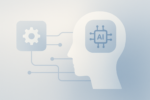
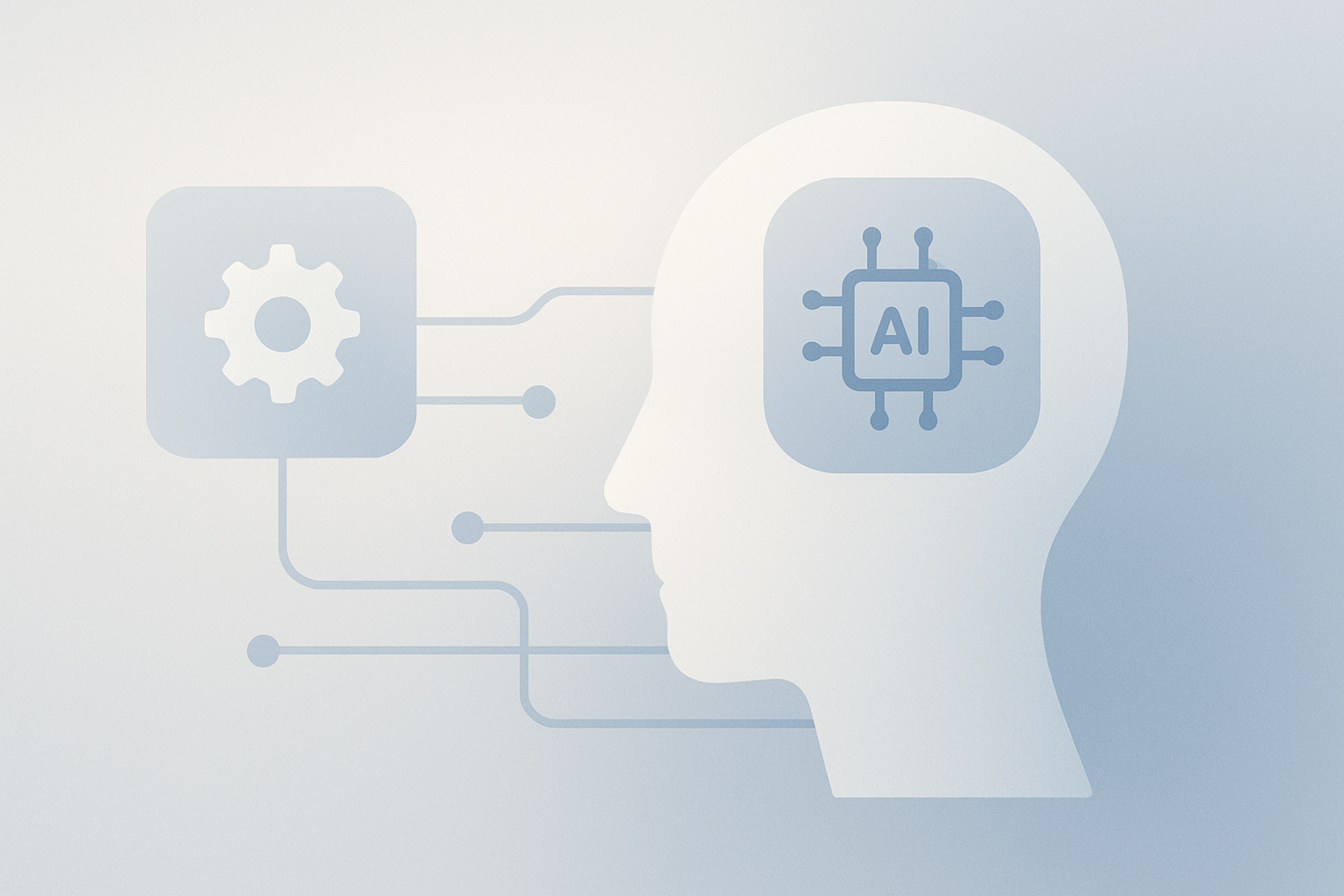
At its core, automation is about streamlining processes to perform tasks with minimal human intervention. It involves setting up systems—guided by predefined rules—to handle repetitive tasks efficiently, thereby reducing errors and saving time. Think of automation as an assembly line, consistent and reliable in its execution, such as automatically sending invoices, processing payroll, or managing inventory needs.
In contrast, AI encompasses the capacity for machines to mimic complex cognitive functions similar to those of human intelligence. This includes learning from data patterns, making decisions, and even predicting future trends. AI elevates automation by introducing a layer of adaptability and intelligence, moving beyond routine tasks to those that require real-time decision-making and learning capabilities. For instance, AI can analyze consumer behavior on e-commerce sites to recommend personalized products, thereby enhancing the customer experience.
Harnessing Their Combined Power
When automation is paired with AI, SMEs can achieve elevated operational efficiency. This blend allows businesses not only to automate tasks but also to adapt and optimize these automated processes based on changing data inputs and environmental factors. For example, an AI-augmented CRM system can automate customer interactions while simultaneously learning from each interaction to improve future communication strategies.
This powerful combination aids SMEs in transitioning from reactive to proactive business models. Through AI-driven insights, businesses can anticipate market trends, customer needs, and potential operational bottlenecks before they arise, facilitating a more responsive and strategic approach to growth.
In sum, while automation ensures efficiency through systematic execution, AI imbues these processes with intelligence and adaptability. Together, they enable SMEs to operate intelligently and strategically, positioning them to seize opportunities and mitigate risks in a dynamic market. Understanding and leveraging the distinct and combined capabilities of automation and AI is a vital step forward in the digital transformation journey for SMEs.
The Strategic Advantage of Combining AI and Automation in Business Systems
Integrating AI with automation in business systems presents a transformative opportunity for SMEs to enhance their operations profoundly. This symbiotic relationship not only drives efficiency but also unlocks a spectrum of additional benefits critical to business growth and sustainability.
Efficiency and Cost Reduction
At the forefront of these benefits is the ability to achieve unparalleled operational efficiency. Automation eliminates the need for manual intervention in repetitive tasks, significantly reducing the time and effort required. By infusing AI into these systems, businesses gain the added advantage of adaptation and continuous improvement. AI constantly learns from data and refines processes, making execution more precise over time. This translates to substantial cost savings, as automated systems require less manpower and resources, allowing companies to allocate these savings towards strategic investments and innovations that add real value.
Enhanced Customer Experiences
Another pivotal advantage is the enhancement of customer experiences. Through AI-powered automation, businesses can deliver more personalized and timely interactions with their customers. For instance, AI-driven insights can tailor shopping experiences with individualized product recommendations or provide instantaneous support via intelligent chatbots. This not only improves customer satisfaction and loyalty but also increases sales conversions and retention rates—a key driver for business success.
Data-Driven Decision-Making
Furthermore, combining AI with automation empowers SMEs to make data-driven decisions that are both accurate and actionable. AI systems can analyze vast datasets quickly, revealing insights and trends that might remain hidden in traditional analytics. These insights enable business leaders to make informed decisions about market positioning, product development, or strategic direction with greater confidence. The speed and accuracy of AI-enhanced decision-making processes also make it possible for SMEs to react promptly to changing market conditions, ensuring they maintain competitive agility.
In conclusion, the integration of AI and automation within business systems is not merely an efficiency tool but a strategic enabler. By adopting these technologies, SMEs can significantly elevate their operational capabilities while fostering an environment of innovation and customer-centricity. As the digital landscape continues to evolve, the benefits of combining AI with automation become increasingly evident, marking a decisive step for SMEs aiming to thrive in a competitive market.
Practical Steps to Implement AI and Automation in SMEs
Transitioning into the realm of AI and automation can seem daunting for many SMEs. However, with a structured approach, the transformation process can be both manageable and highly beneficial. Below is a practical, step-by-step guide to help you seamlessly integrate these powerful technologies into your business processes.
1. Define Clear Objectives
The initial step involves setting clear and achievable objectives. It’s crucial to pinpoint the specific issues you aim to address with AI and automation. Whether it’s improving customer service efficiency, optimizing inventory management, or uncovering insights from data analytics, having well-defined goals ensures that your implementation strategy remains focused and aligned with your overall business vision.
2. Conduct a Feasibility Assessment
Before diving in, conduct a thorough assessment to evaluate your current systems and processes. Determine which parts of your operations are ripe for automation or could benefit from AI insights. Assessing your IT infrastructure is also essential, as a robust foundation may be required to support AI technologies. This step will help identify both opportunities and limitations, guiding you in selecting feasible solutions.
3. Start Small and Scale Gradually
When implementing AI and automation, starting with a pilot project is often advantageous. Choose a specific area of your business where you can trial the technology on a smaller scale. This allows you to test the waters, measure results, and fine-tune your approach before committing to broader implementation. As you gain confidence and observe tangible benefits, you can gradually scale these technologies across additional areas of your business.
4. Collaborate with Experts and Vendors
Leverage expertise from AI specialists or reputable vendors who can offer guidance and technical support during the implementation phase. Engaging with consultants who understand both AI technology and the unique challenges faced by SMEs can enable a smoother transition. They can assist with selecting the best tools and ensuring that these solutions are tailored to meet your business needs.
5. Train Your Team
Empowering your team with the knowledge and skills to work alongside AI and automation is crucial. Provide comprehensive training on new systems and processes to facilitate adaptation. Having a well-informed team reduces resistance and ensures a more successful integration. As AI evolves, consider ongoing learning opportunities to keep your workforce equipped with the latest technological competencies.
6. Monitor and Optimize
Finally, continuous monitoring and evaluation are essential to ensure the long-term success of AI and automation initiatives. Track key performance indicators to assess the impact and efficiency of your implementations. Use these insights to refine processes, correct any issues, and optimize systems for even greater productivity. This iterative approach will help maintain alignment with your business goals and adapt to changing needs.
Implementing AI and automation doesn’t have to be overwhelming. By taking thoughtful, strategic actions and fostering a culture of adaptability, SMEs can harness the full potential of these technologies to transform their operations, drive innovation, and solidify their competitiveness in today’s marketplace.
Overcoming Challenges and Measuring Success in AI and Automation Implementation
As SMEs embark on their AI and automation journey, they often encounter various challenges that can hinder successful implementation. Addressing these obstacles proactively is essential to fully harness the potential of these technologies. Additionally, defining and tracking metrics to measure success will help ensure that investments yield the desired outcomes.
Identifying and Addressing Common Obstacles
One prevalent challenge SMEs face is the complexity of integrating AI with existing processes. Often, legacy systems and workflows are not designed with AI capabilities in mind, requiring substantial modifications. To mitigate this challenge, consider conducting a thorough initial assessment of current infrastructure and identifying areas where AI can be seamlessly integrated.
Another common hurdle is the skill gap within the organization. SMEs may lack the technical expertise required to effectively implement and maintain AI-driven solutions. Developing a robust training program that educates employees on new tools and methodologies can bridge this knowledge gap, enabling a smoother transition and fostering a culture of innovation.
Resistance to change is also a significant challenge. Employees may fear job displacement or distrust unfamiliar technologies. To overcome this, actively communicate the benefits of AI and automation, emphasizing how these technologies can enhance, rather than replace, human roles. Showcase successful case studies and involve employees in the planning phase to build buy-in and alleviate concerns.
Measuring Success: Key Metrics to Track
Once the systems are in place, it’s crucial to evaluate their effectiveness through well-defined metrics. Productivity improvements are a substantial indicator of success. Measure changes in task completion times, the reduction in errors, and the volume of tasks automated to assess productivity gains.
Cost efficiency is another vital metric. Compare the cost of implementing AI and automation against the operational savings achieved. Look beyond direct financials to encompass resource allocation efficiencies and reduced downtime.
Customer satisfaction scores can further illustrate the impact of AI on service delivery. Monitor changes in customer feedback, retention rates, and response time improvements to gauge enhanced customer interactions and experiences.
Lastly, use data-driven insights to evaluate overall strategic growth. Examine market positions, revenue growth, and the ability to leverage AI-driven analytics for business decisions. This comprehensive approach ensures that the implementation of AI and automation contributes to both immediate operational efficiency and long-term strategic advantage.
In summary, while AI and automation present challenges for SMEs, these can be overcome with careful planning, continuous learning, and open communication. Concurrently, establishing and tracking success metrics allow businesses to ensure that technological investments align with strategic goals, paving the way for transformative growth and innovation.
Embracing the Future: The Promise of AI and Automation for SMEs
As we bring this exploration to a close, it’s imperative to reflect on the transformative impact that AI and automation can have on small and medium-sized enterprises (SMEs). In today’s dynamic market environment, the fusion of these technologies holds the promise of revolutionizing how SMEs operate, compete, and grow.
The adoption of AI and automation is not just a technological upgrade; it’s a strategic shift towards maximizing business potential. By merging automation’s efficiency with AI’s cognitive capabilities, businesses can unlock unprecedented levels of productivity, agility, and insight. This powerful confluence helps to streamline operations, reduce costs, and enhance customer engagement, making it a pivotal component in the toolkit for modern business leaders.
Looking forward, SMEs that embrace AI-driven automation position themselves at the forefront of innovation. These technologies empower them to efficiently navigate market challenges, pivot strategies with agility, and seize emerging opportunities with confidence. As digital transformation becomes a necessity rather than an option, the integration of AI and automation will catalyze new levels of efficiency and competitive resilience.
Therefore, business leaders should proactively engage with these technologies, cultivating a culture ready for change and innovation. Investing in AI and automation is an investment in the future—a future where businesses are not just reactive to market changes but actively shape them. By capitalizing on these advancements today, SMEs can create a robust foundation for sustained growth and industry leadership in tomorrow’s business landscape.
In sum, the strategic embrace of AI and automation isn’t merely about keeping pace with change—it’s about leading it. By doing so, SMEs can transform obstacles into opportunities, nurturing an environment where digital tools drive not just operational superiority but holistic business excellence.